The Enigmatic Oompa-Loompa: A Deep Dive
- Dev Center Testing
- Mar 4
- 5 min read

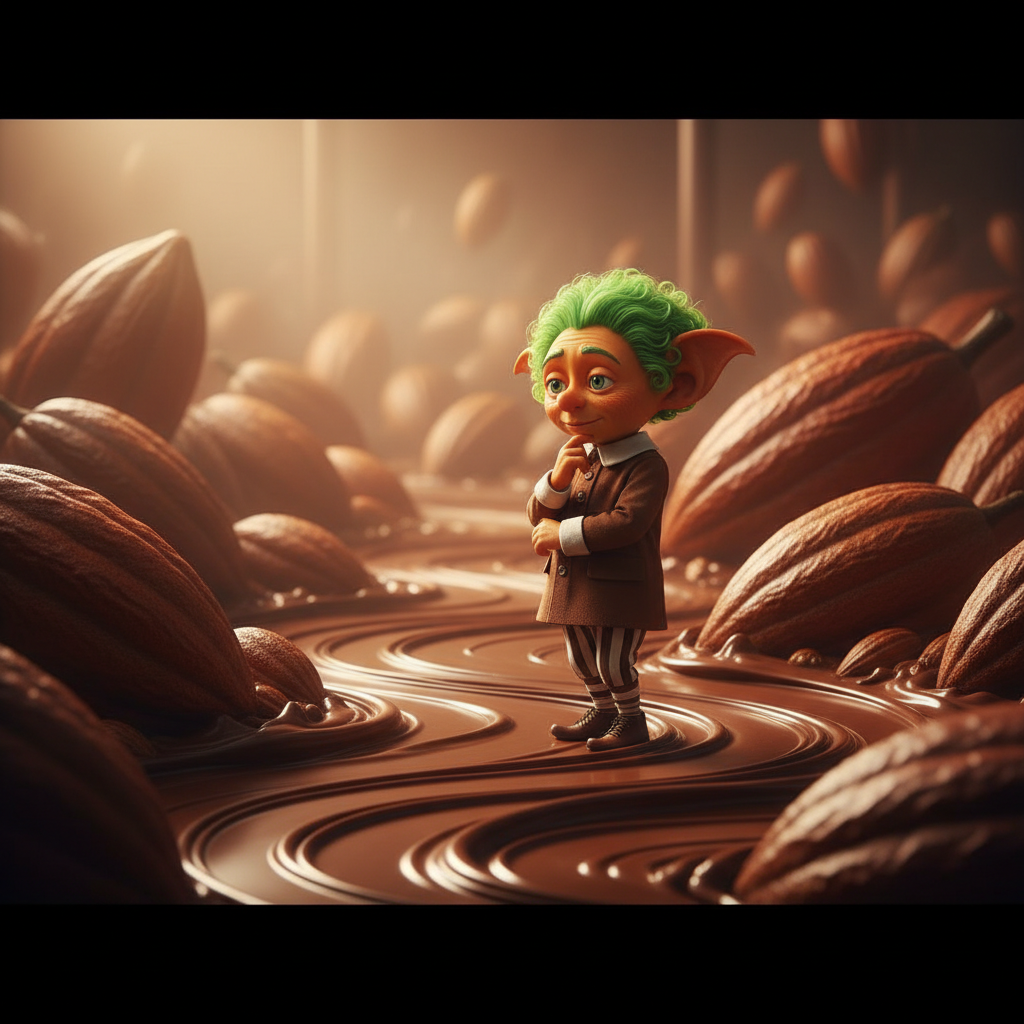
The Oompa-Loompa represents a fascinating intersection of mid-century children's literature and contemporary cinematic sociopolitical commentary. Originating from the imaginative mind of Roald Dahl, these diminutive workers serve as the operational backbone of Willy Wonka's subterranean confectionery empire. While they are often viewed through a lens of whimsical mischief, their history is rooted in a complex narrative of ecological survival and industrial migration. To truly understand the Oompa-Loompa, one must analyze the precarious environmental conditions of Loompaland and the subsequent contractual agreements that facilitated their transition into the world of mass confectionery production.
Geographical Origins and the Loompaland Macro-Ecosystem
The primordial habitat of the Oompa-Loompa is Loompaland, a dense, untamed wilderness characterized by an extremely high concentration of apex predators. Within this biocentric hierarchy, Oompa-Loompas were frequently targeted by formidable entities such as Wangdoodles, Hornswogglers, and Snozzwangers. These predatory pressures necessitated a radical architectural adaptation; the Oompa-Loompas constructed complex arboreal settlements, dwelling high above the forest floor to mitigate the risk of terrestrial predation. This vertical urbanization was a direct response to the hostile fauna that dominated the lower strata of the Loompaland ecosystem.
Nutritional Scarcity and the Cocoa Bean Deity
The dietary constraints faced by the Oompa-Loompas in their native land were nothing short of catastrophic. Their primary sustenance consisted of green caterpillars—organisms widely considered to possess a revolting gustatory profile. In an attempt to diversify their caloric intake and improve palatability, they experimented with incorporating red beetles and the fibrous bark of the bong-bong tree. However, these substitutes failed to provide any significant culinary satisfaction. In this context of nutritional austerity, the cocoa bean emerged as the ultimate luxury item, so rare that the annual discovery of a mere handful of beans was considered a miraculous event.
This scarcity led to the eventual deification of the cocoa bean within Oompa-Loompa culture. They developed elaborate liturgical practices, including rituals and festivals, to honor the bean. When Willy Wonka arrived in Loompaland seeking exotic ingredients, he recognized this profound cultural obsession. By offering an unlimited supply of cocoa-related products in exchange for labor, Wonka established a socio-economic pact that effectively ended the Oompa-Loompas' struggle for survival, though it fundamentally altered their societal structure through industrialization.
Predatory threats: Wangdoodles, Hornswogglers, and Snozzwangers.
Arboreal survival: The necessity of high-altitude treehouses.
Dietary staples: Green caterpillars and bong-bong tree bark.
Sacred botany: The religious elevation of the cocoa bean due to extreme rarity.
The Industrial Integration of Oompa-Loompa Labor
Upon transitioning to the factory, the Oompa-Loompas demonstrated an uncanny aptitude for large-scale production and quality control. Their integration into the chocolate factory was not merely a relocation but a total immersion into a specialized workforce. Despite their small stature, they exhibit a high degree of technical proficiency, managing everything from the rigorous testing of experimental gum to the complex mechanics of the Great Glass Elevator. Their loyalty to Wonka is absolute, rooted in a collective gratitude for their liberation from the predatory dangers of Loompaland.
Psychological Profile and Moral Improvisation
One of the most distinctive behavioral traits of the Oompa-Loompa is their penchant for rhythmic moralizing. They possess a sophisticated ability to improvise complex lyrical compositions, which they deploy following the inevitable failures of the factory’s visitors. These songs serve as a form of social critique, highlighting the character flaws—such as greed, gluttony, and entitlement—observed in the children who fail Wonka’s tests. While they appear cheerful and playful, often engaging in practical jokes, there is an underlying gravity to their work. They are known to prioritize the factory's operational success over their individual safety, a trait exemplified by those who volunteered for the volatile blueberry gum trials.
Interestingly, their aesthetic presentation within the factory is highly regulated. In various cinematic iterations, we see them donning specialized uniforms tailored to specific departments. For instance, the Chocolate Room requires vibrant red attire, while the Inventing Room necessitates more utilitarian gear. For those interested in the aesthetic evolution of these workers, one might consider the cultural impact of green sweaters for Oompah Loompahs, which highlights the intersection of tribal heritage and modern factory apparel.
Cinematic Representations and Cultural Evolution
The visual and narrative portrayal of the Oompa-Loompa has undergone significant metamorphosis across different film adaptations. Each iteration reflects the technological capabilities and cultural sensibilities of its era. In the 1971 cinematic adaptation, the workers were portrayed by a diverse ensemble of actors, establishing the iconic orange-skinned and green-haired aesthetic that has become synonymous with the character in popular culture.
From Deep Roy to Hugh Grant: Digital and Character Shifts
The 2005 adaptation directed by Tim Burton introduced a radical shift in presentation. Utilizing advanced digital duplication techniques, actor Deep Roy portrayed every single one of the 165 Oompa-Loompas. This emphasized a sense of uniformity and collective identity, suggesting a hive-like efficiency within the factory. Roy’s preparation for the role involved rigorous physical training, including Pilates and dance classes, to ensure the synchronization of the complex musical numbers. This version also provided a glimpse into their administrative structures, showing female Oompa-Loompas, such as Doris, working in office environments.
Most recently, the 2023 film 'Wonka' introduced 'Lofty,' a character portrayed by Hugh Grant. This iteration presents a more individualized perspective on the Oompa-Loompa, moving away from the collective ensemble to highlight a singular personality with a distinct history and motivation. This evolution demonstrates the enduring versatility of the Oompa-Loompa archetype in modern storytelling.
The Paradox of the Oompa-Loompa Moral Code
A critical analysis of Oompa-Loompa lore reveals an interesting ideological paradox. Their lyrical warnings often suggest that virtue leads to happiness and success, while 'spoiled' behavior leads to ruin. However, critics have noted that this simplistic moral dichotomy often fails to account for systemic socio-economic variables. The Oompa-Loompas themselves exist in a state of total dependency on Wonka, raising questions about the nature of their agency. While they are undoubtedly safer and better fed than they were in Loompaland, their existence is entirely defined by their labor and their loyalty to the factory's enigmatic owner.
The 1971 film established the classic visual palette and improvised musical critiques.
The 2005 film utilized digital replication to emphasize a unified, hyper-efficient workforce.
The 2023 film explored individual character arcs, humanizing the workers further.
The recurring theme of 'comeuppance' serves as the primary narrative device for Oompa-Loompa interaction with the outside world.
Conclusion
The Oompa-Loompa remains one of the most enduring symbols in the Roald Dahl canon. Beyond the whimsical songs and the colorful uniforms, they represent a complex narrative of survival, cultural migration, and industrial loyalty. Whether viewed as an ecological success story or a cautionary tale of total corporate immersion, the Oompa-Loompa continues to captivate audiences by bridging the gap between the fantastical dangers of Loompaland and the meticulously ordered world of the chocolate factory. Their evolution from tribal tree-dwellers to specialized technicians is a testament to the enduring power of Dahl’s imagination and the cinematic world-building that followed.


Comments